The Hidden Metrics That Could Double Your Email ROI
Why Traditional Email Metrics Don’t Work Anymore
For years, marketers relied on open rates, CTRs, and platform-reported ROI as proxies for success. But 2025 has finally forced a reality check: these metrics are mostly noise. Privacy updates, cookie deprecation, and stricter inbox filters mean that opens and clicks no longer reliably measure business impact.
You could have an influencer drive 50K impressions, achieve 4% engagement, and generate zero measurable sales. Traditional ROI would celebrate the engagement — but the revenue impact? Invisible.
The smartest teams now focus on incremental lift: did this email, influencer, or campaign actually create additional sales that wouldn’t have happened otherwise?
The Comeback of Email Marketing
Despite the dominance of paid social and short-form video, email is making a comeback:
- Open and click rates are climbing, driven by personalization, segmentation, and relevance.
- Simple, plain-text newsletters are performing surprisingly well, proving that owned channels are more reliable than volatile social feeds.
- Brands are experimenting with predictive segments (e.g., targeting low predictive CLV customers with high-value content) and behavior-based triggers (cart abandoners, started checkout).
Email is no longer just a broadcast channel; it’s a strategic lever when measured correctly.
The Hidden Metrics That Actually Move the Needle
Here’s where most marketers fail — and where you can double your ROI:
| Metric | Why It Matters |
|---|---|
| Incremental Conversions (iROAS) | Measures sales or actions that wouldn’t have occurred without this email. This is far more accurate than last-click attribution. |
| Revenue Per Email (RPE) | Tracks revenue generated per email sent, making it easy to compare campaigns regardless of audience size. |
| Click-to-Conversion Rate | Of those who click, how many convert? Highlights post-click funnel performance — the weak link behind most campaigns. |
| Engaged Subscriber Rate | Focuses on active, high-intent users, protecting deliverability and increasing campaign impact. |
| List Health Metrics | Bounce rate, spam complaints, and churn reveal the sustainability of your email channel. |
| Behavior-Based Segments | Beyond opens/views, target users who started checkout, clicked specific product links, or engaged with content in unique ways. |
Lessons From High-Performing Email Campaigns
1. Smart Segmentation Wins
Segmentation is no longer basic. The top performers combine:
- Interest segments: viewed product, started checkout, added to cart, clicked specific links.
- Engagement recency: last 30–120 days, excluding those with prior purchases.
- Cross/up-sell segments: targeting customers with high purchase intent.
- Predictive scoring: targeting high-value subscribers even with high CAC products.
2. Deliverability is Critical
Even campaigns that underperform slightly won’t tank deliverability if mixed strategically with strong-engager segments. Large brands (30K–100K+ opt-in lists) monitor inbox placement continuously using tools like 250ok, EmailOnAcid, or Litmus, ensuring spam issues are caught early.
3. Design and Incentives Matter
Analysis of 875 popups across industries shows the top 1% of opt-in widgets achieved 16.7% conversion rates — more than 5x the average — by stacking these features:
- Gamification (Spin-to-Win) → +7–9% CR
- Strong incentive (discount/gift) → +6–8% CR
- Urgency cues (countdowns, limited offers) → +5–6% CR
- Fullscreen, centered layout → +4–5% CR
- High-contrast CTAs → +4–5% CR
- Minimalist design → +4% CR
- Trust indicators → +3–4% CR
Seasonality amplifies impact: BFCM +65%, Christmas +42%, Valentine’s +28%.
How to Measure Incremental Impact
- Shift from ROAS → iROAS: ask “What revenue wouldn’t have occurred without this email?”
- Connect email to downstream actions: trial signups → activation → purchase → repeat orders.
- Segment by engagement and predicted value: treat high-value, active users differently than passive subscribers.
- Track across channels: measure email’s contribution to multi-channel journeys, not just last click.
- Test everything: subject lines, content, CTAs, funnel design, timing — optimize for revenue per email, not opens.
Quick Wins To Double Your Email ROI
- Audit your list: prune inactive users, prioritize high-intent segments.
- Track Revenue per Email and incremental conversions for each campaign.
- Monitor inbox placement weekly and set alerts for spam fluctuations.
- Layer incentives, urgency, and gamification in opt-in and campaign emails.
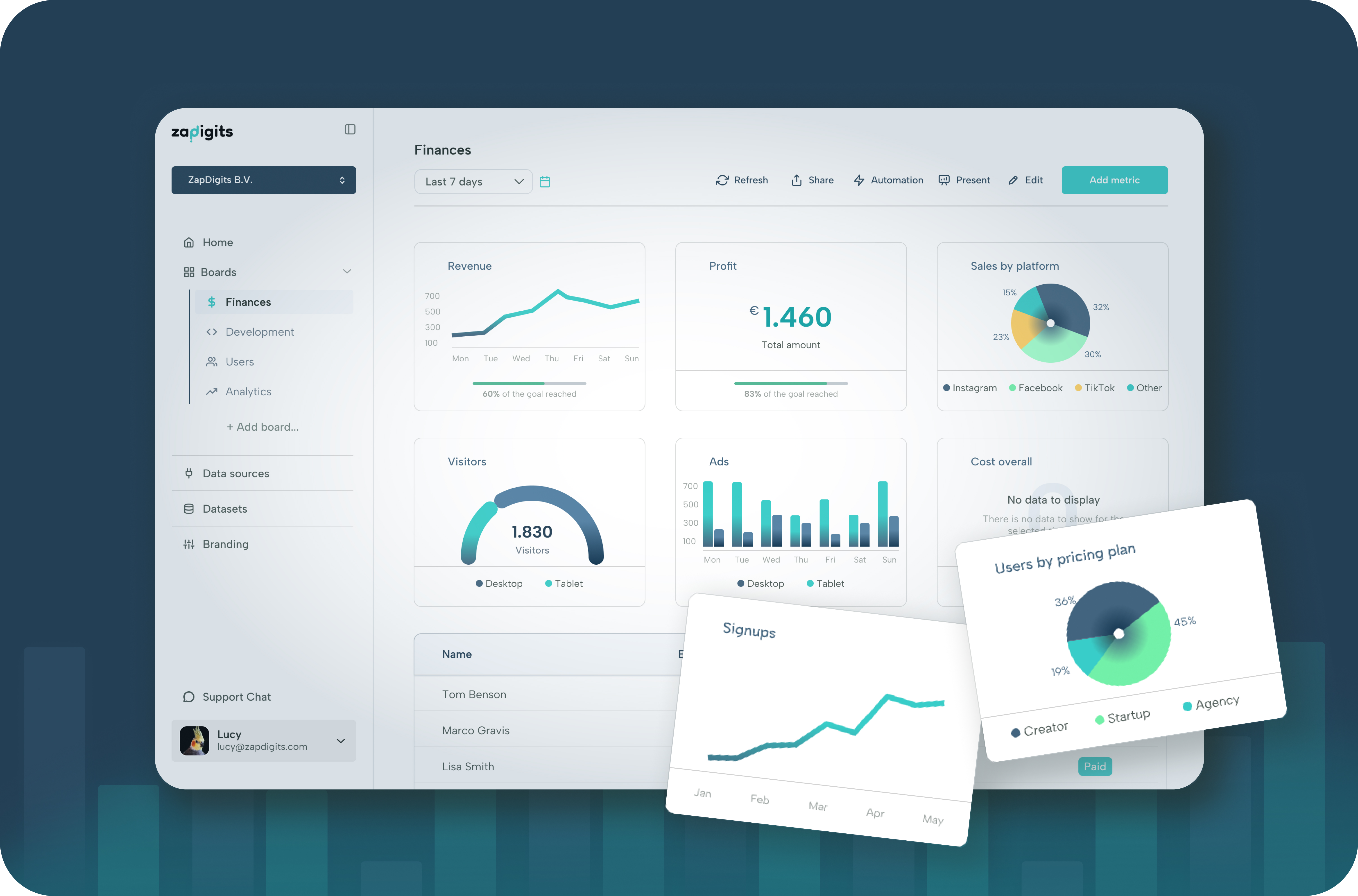
- Use dashboards that merge email, product, and revenue metrics for full visibility.
TL;DR
- CTR and open rates are vanity metrics. Real growth comes from incremental conversions, RPE, engagement, and list health.
- Email is a strategic, measurable channel again, especially when combined with smart segmentation, predictive targeting, and well-designed offers.
- The brands that adopt these hidden metrics will double ROI while others chase irrelevant engagement numbers.